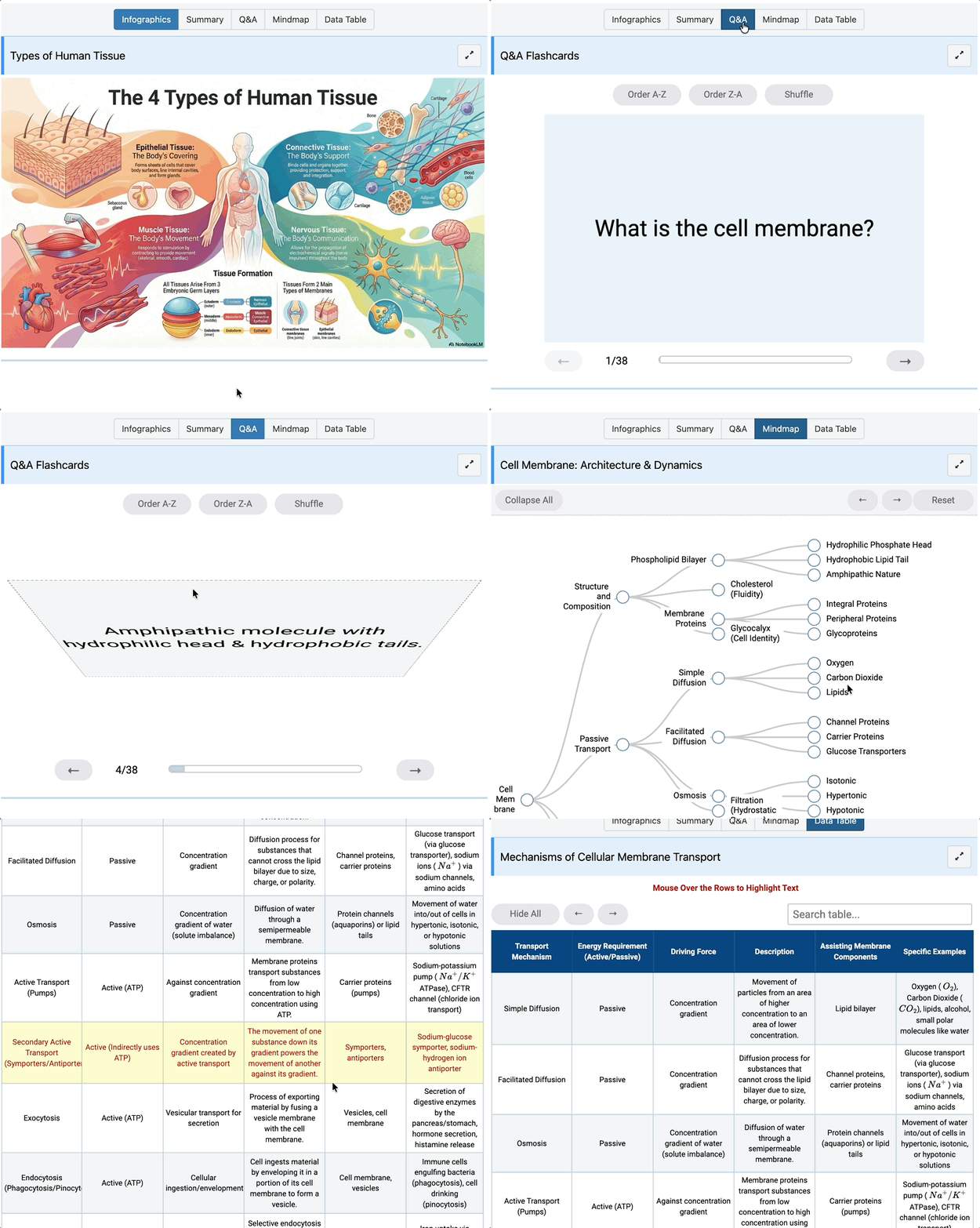

Examples of Learning Interactions
Below are some examples of Learning Interactions from this book. These are short pre-recorded videos of interactions. The actual interactions, however, respond dynamically to user clicks and inputs.
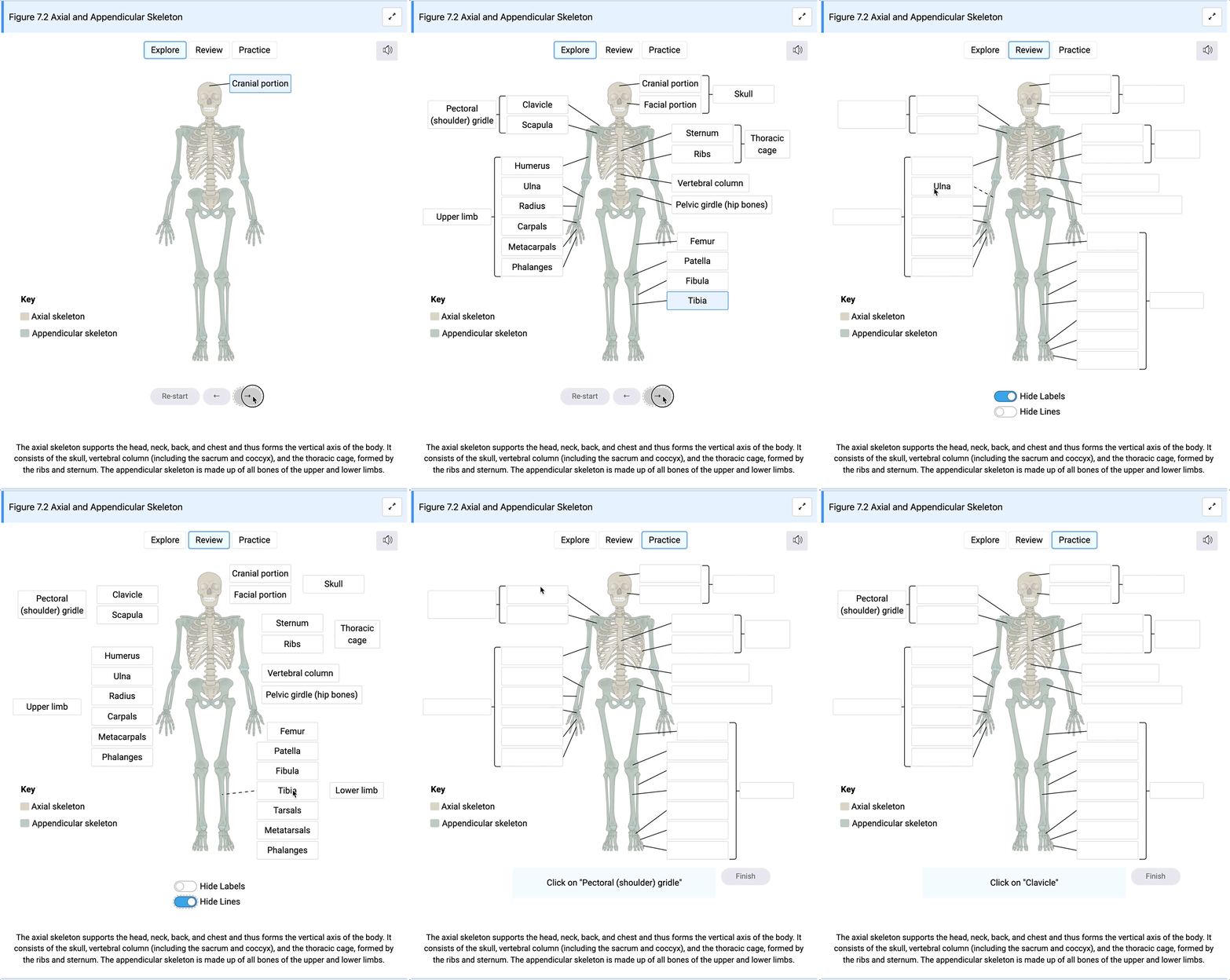
Labelled images are numerous in Human Anatomy and Physiology textbooks. They help students visualize and understand complex anatomical structures and physiological processes.
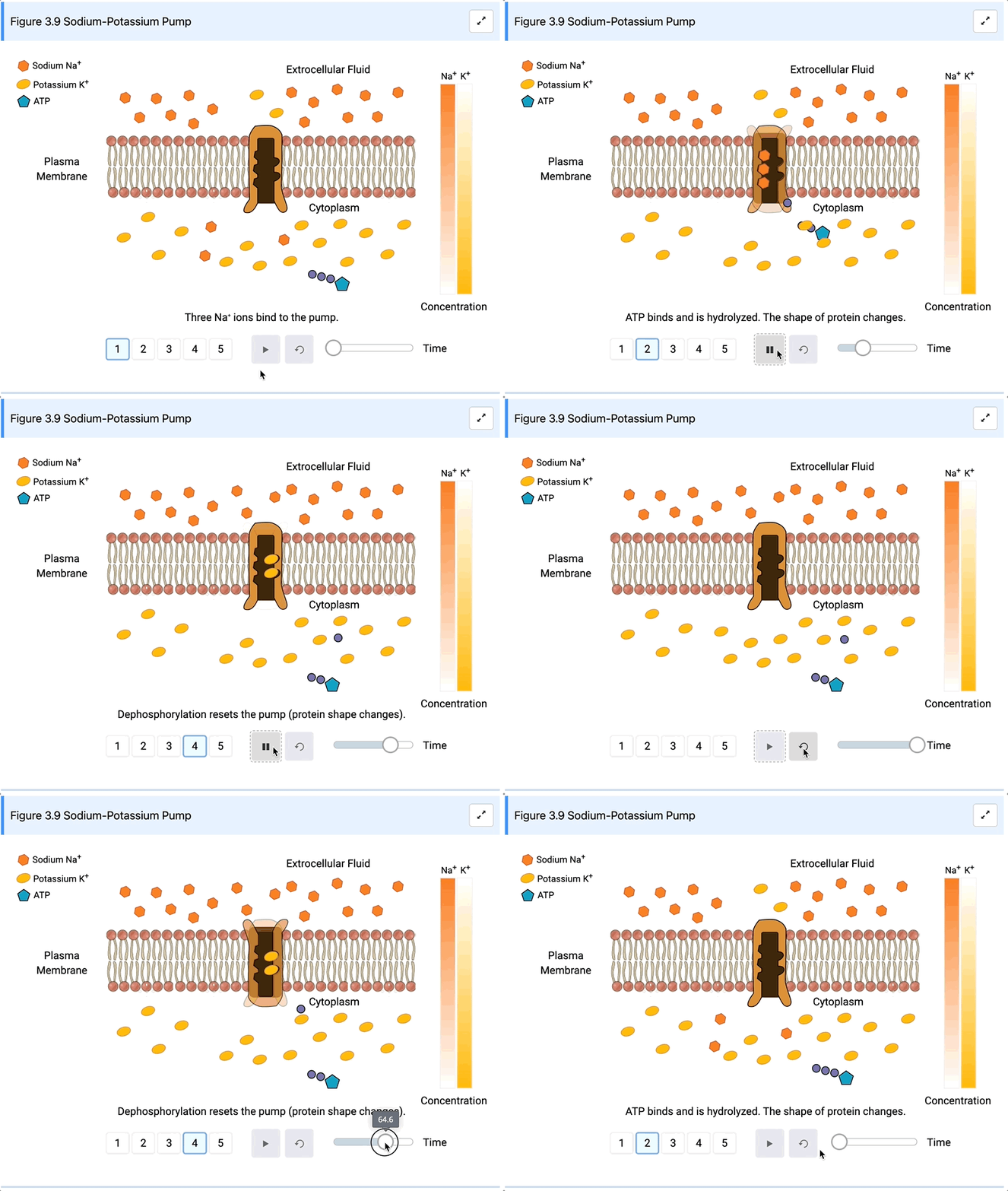
Process explanations break complex physiological events into clear, animated steps so students can follow how each stage leads to the next.
Function explanations connect anatomical structures to what they do, helping students study relationships without losing their place in the reading.
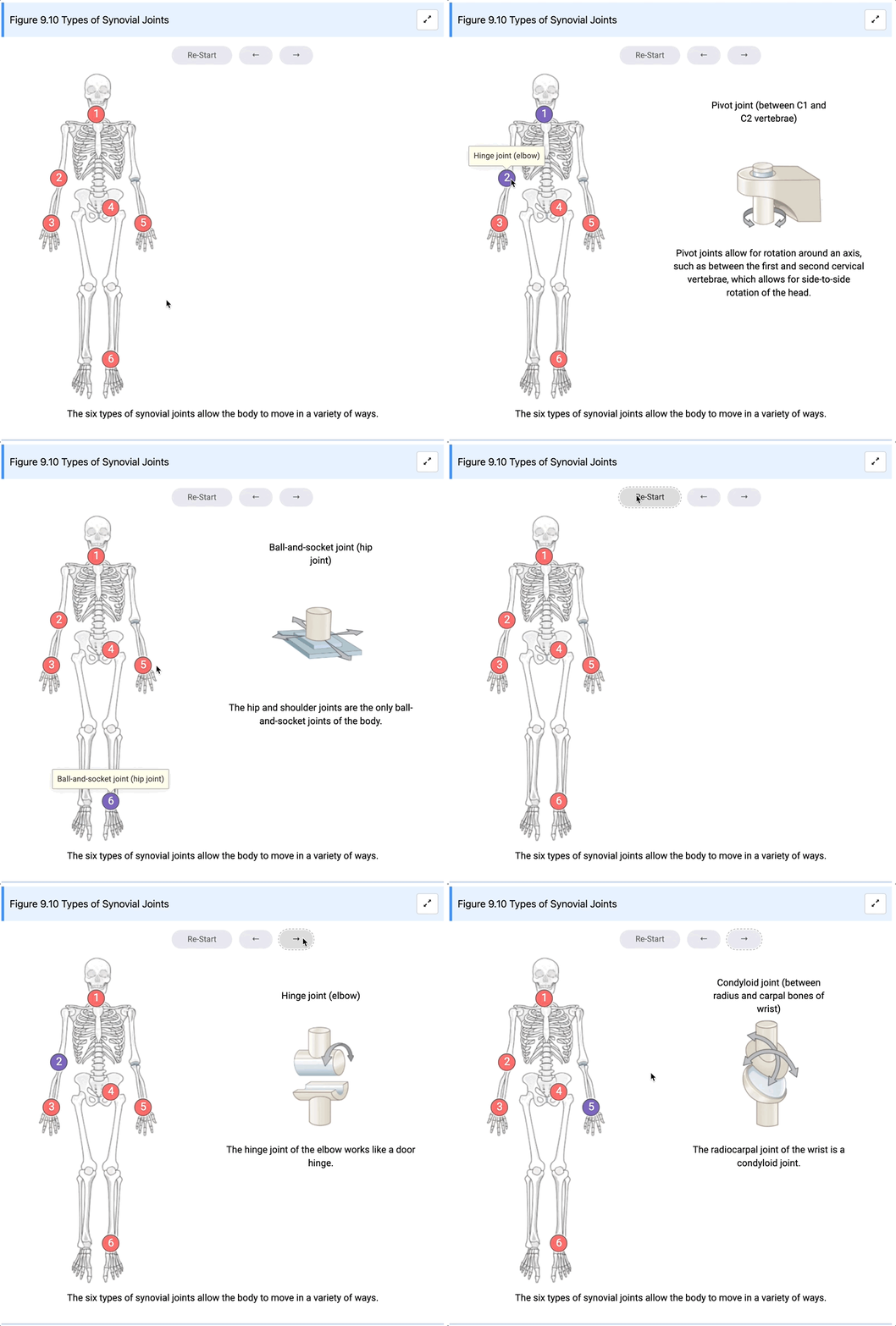
Sequence process shows events as they happen in order, helping students follow each step in biological processes and understand how one stage leads to the next.
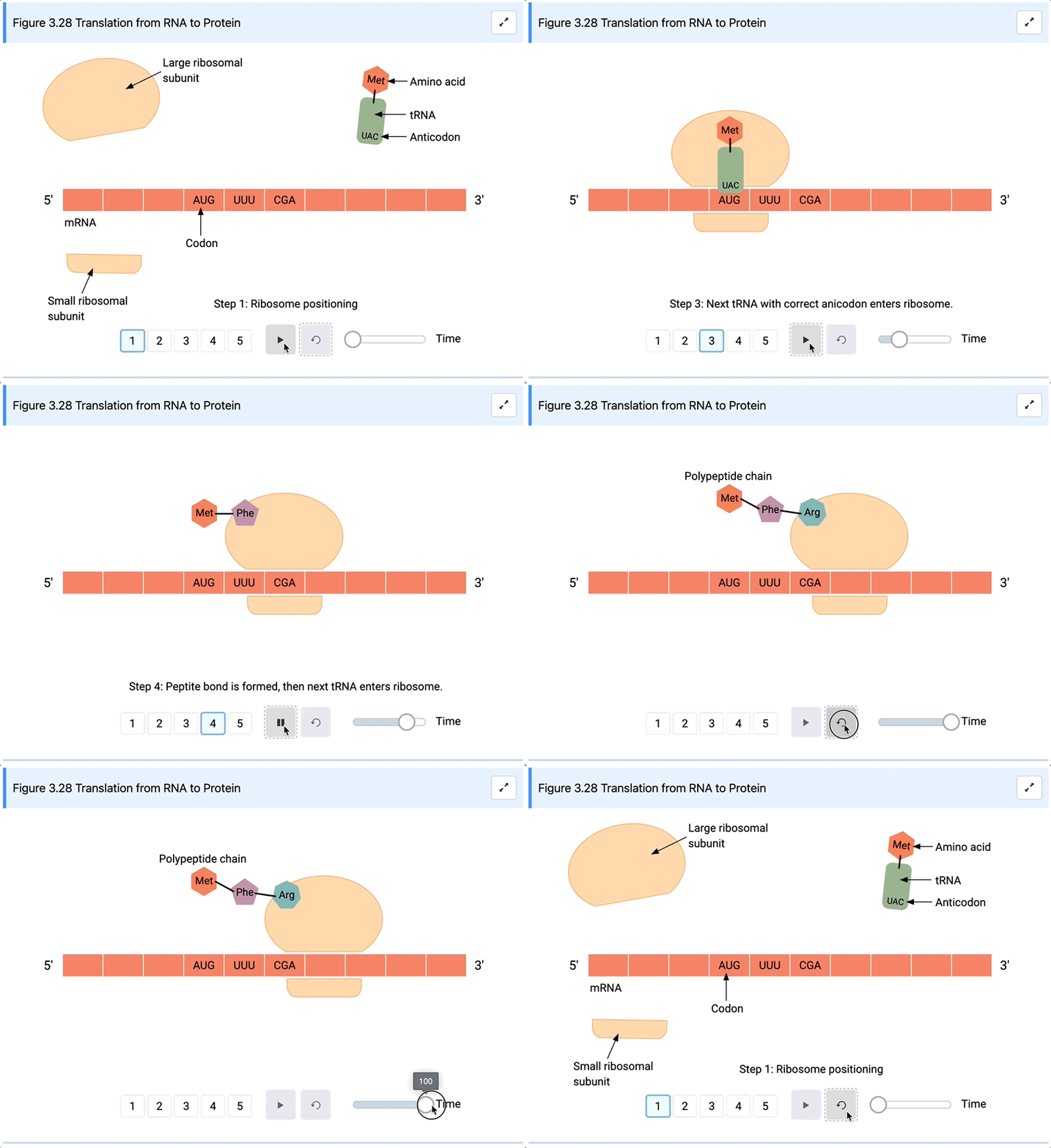
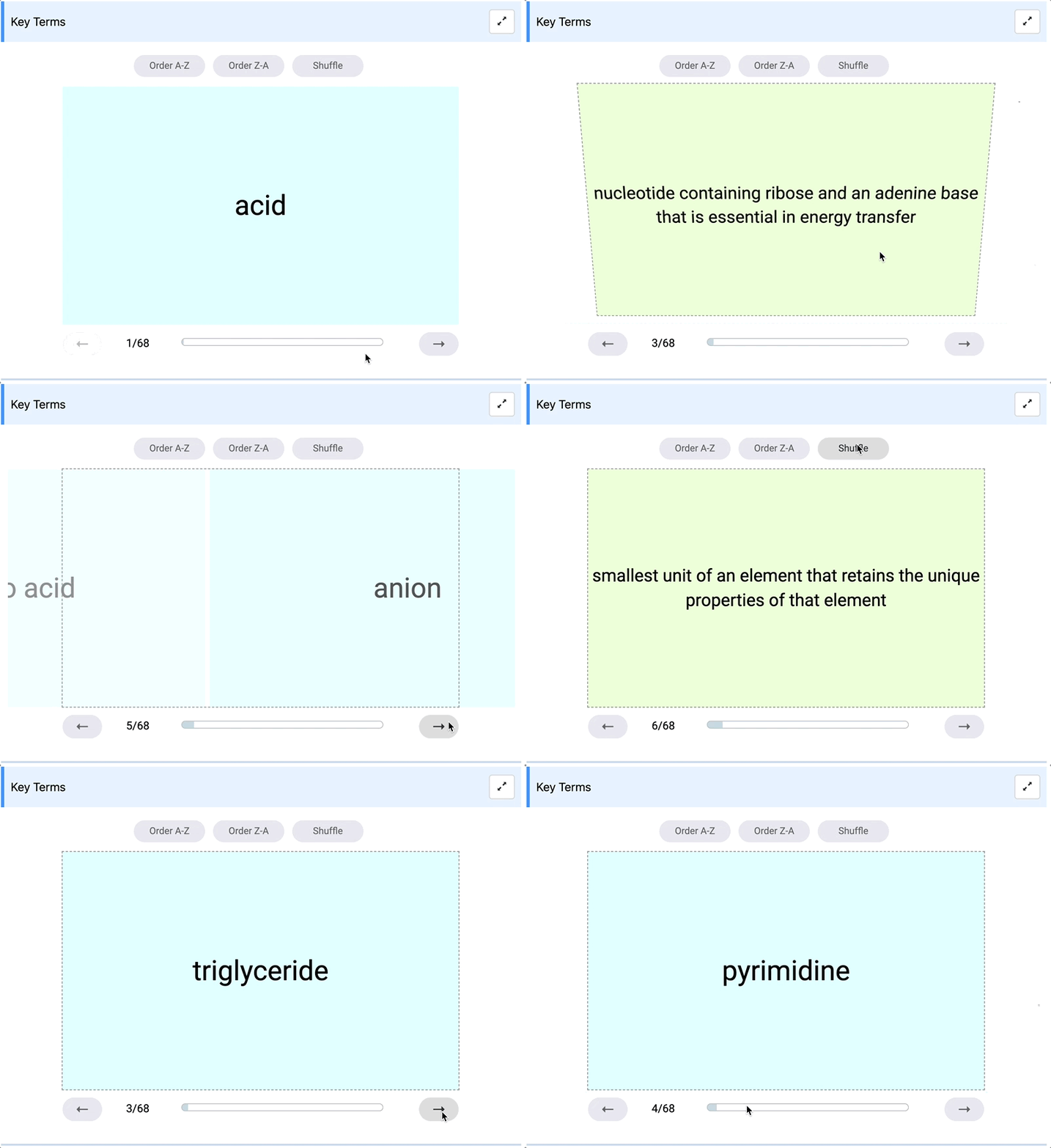
Key term practice turns vocabulary review into an active recall exercise, helping students check definitions and retain terminology.
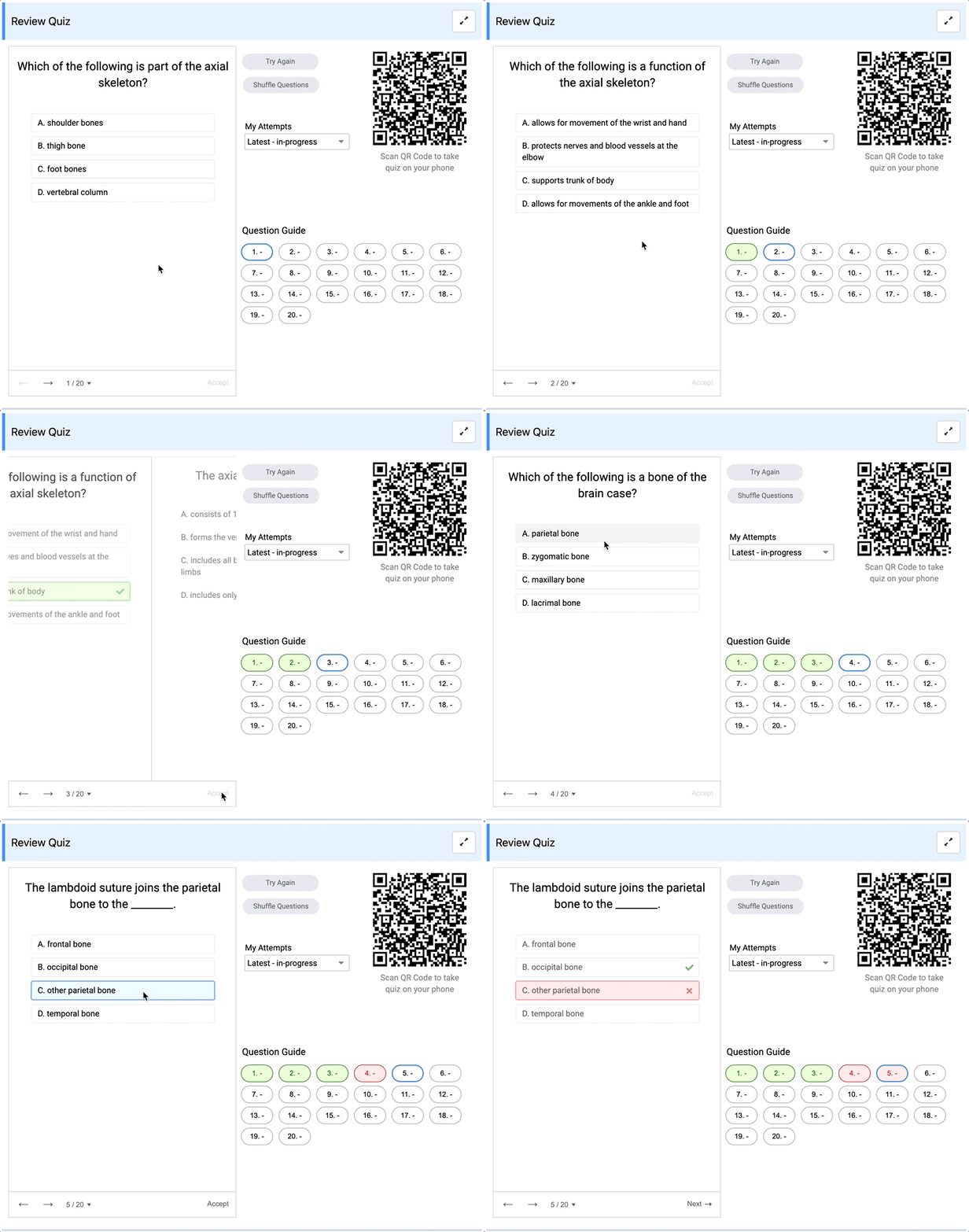
Review questions provide immediate practice with chapter concepts and can be used by students for self-checking or by instructors in class.
Chapter review interactions summarize important ideas in a more visual format, making it easier to revisit and connect major concepts.